

Decoding Marketing Jargon: Volume I
Hey there! Just circling back to check the pulse on your SEO and engagement rate based on the brand positioning statement we put into play across your social media channels last month. Feel free to ping the team to discuss moving the needle on the NPS email template.
Yeah, we didn’t enjoy that either.
Marketing Jargon. It seems as though it has taken over as the official language of the corporate world with different dialects rising up in every industry. Step into any boutique agency, and you’ll be greeted with the latest vernacular and overused phrases that illicit cringe. Oh and we meant to mention, the translator is not included. Even Duolingo couldn’t help you decipher all of the buzzwords.
Let’s boil it down to the truth. Jargon is meant to keep the client out. It’s what makes the agency the expert and you the novice. This approach is actually quite offensive if you think about it. It’s a club where you aren’t welcome.
Take this as an official invitation to our clubhouse.
Through this blog series, we will be demystifying the bullsh-t and buzzwords around marketing. Welcome to Volume 1 of a series where we share the meaning behind these buzzwords, making you a maven of your marketing efforts.
Brand Positioning Statement
What unique value does your business offer? How can clients identify with your brand? Do you have a defined brand archetype?
If you can answer the above questions, you’ve got yourself a solid starting point for your brand positioning. The brand positioning statement highlights what differentiates you from others in your industry, gives your clients a point of relation, and aligns your brand voice. Try to identify which brand this positioning statement belongs to:
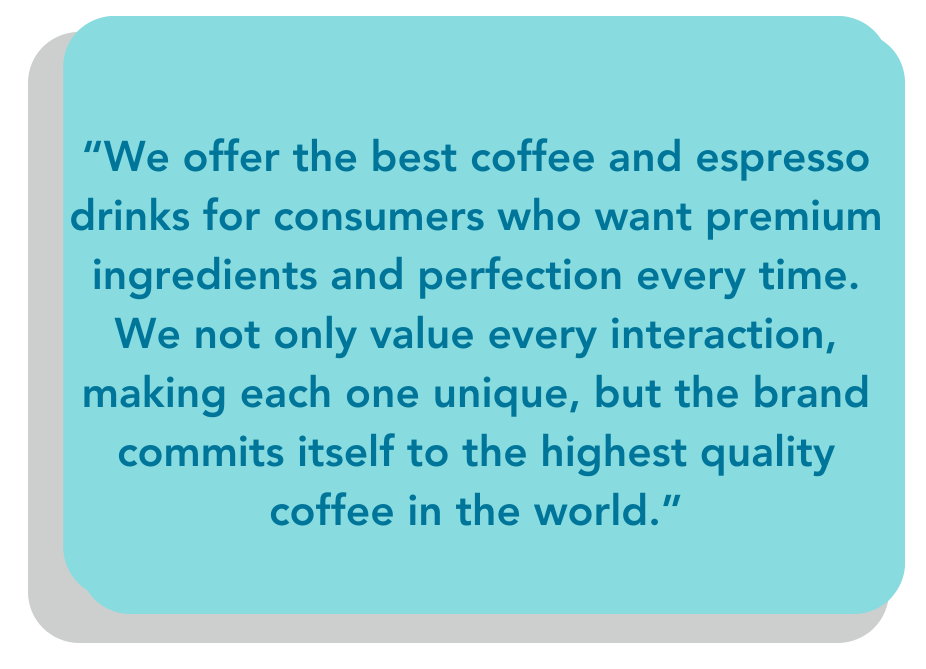
If you guessed Starbucks you just validated the power of this positioning statement.
Net Promoter Score (NPS)
If you look through your inbox you’ll likely stumble upon an email asking you to rate your experience. Maybe it’s from a doctor’s office or a restaurant you dined at last weekend. As you know the rating you give offers insight into the business on how they are performing. What you may not know is that the rating score is broken into sections based on how it may affect the brand.
The breakdown looks like this:
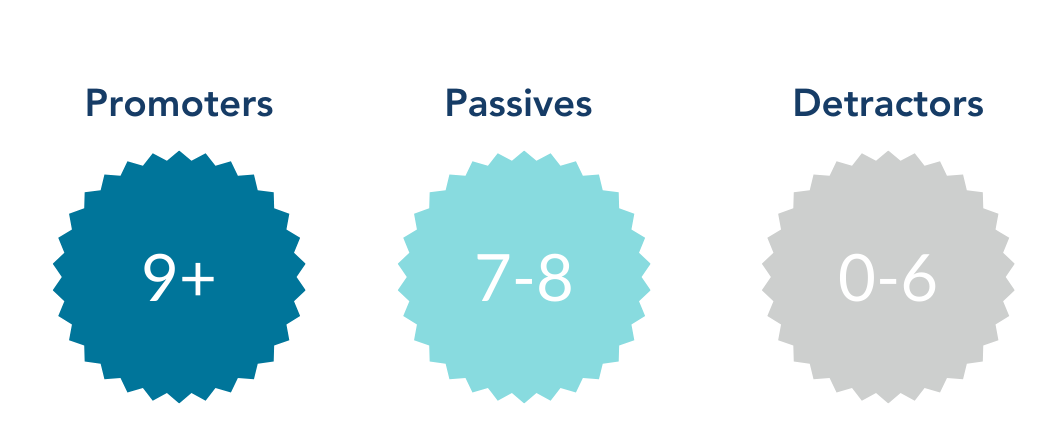
Of course, we like to see an influx of promoters and minimum detractors but we want to pay the most attention to the passives. The passives are the ones you will have the most influence over, they are indifferent to your brand which gives you a golden opportunity. If they don’t feel strongly or overly positive about your business, they aren’t likely to be a repeat customer. Some ideas to sway this group include sending a follow-up email to ask how you can improve your service or product or even offering them a promotion for the next time they make a purchase.
.JPG | .AI | .EPS | .PNG
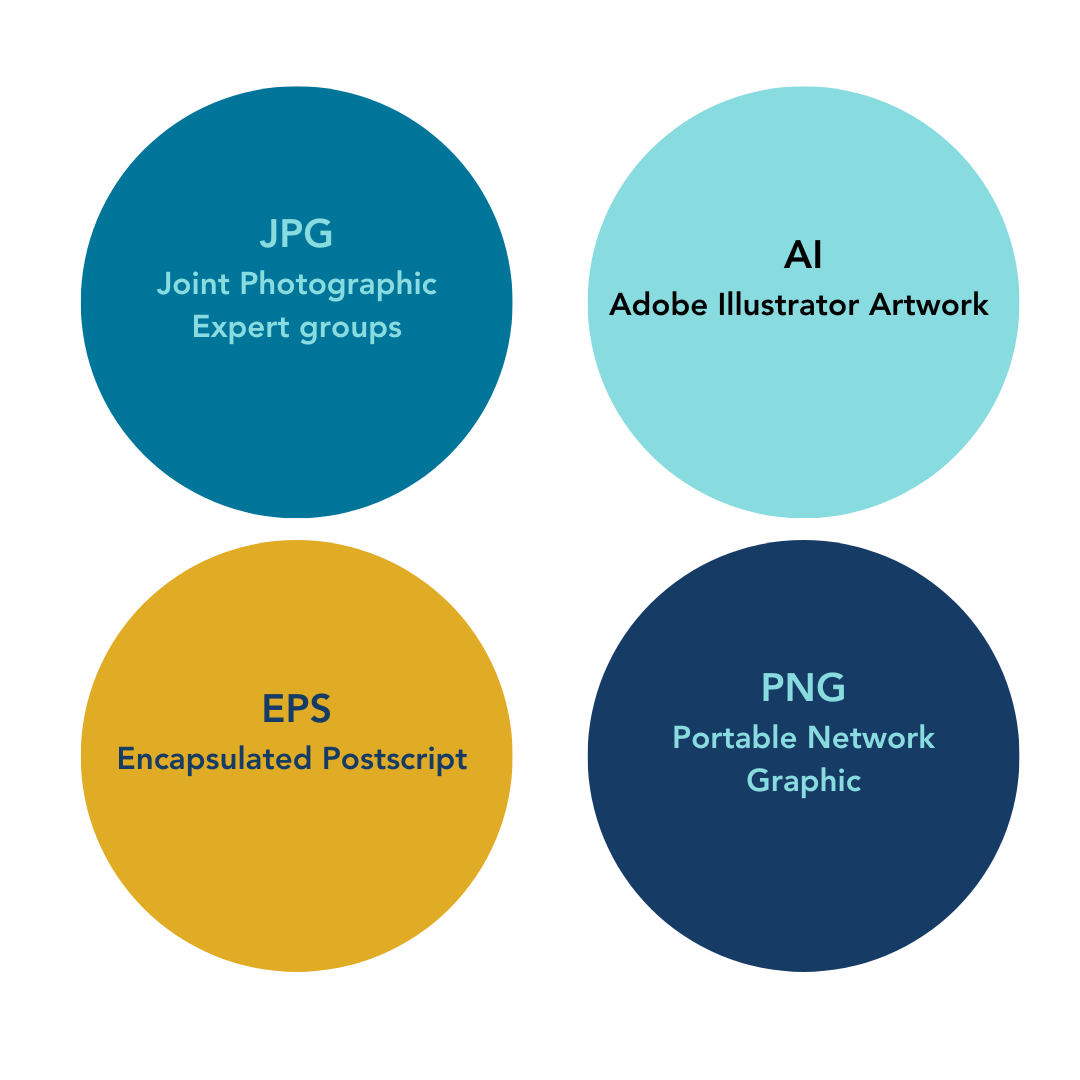
You’ve probably seen all of these file formats and plenty of others. Let’s take a look at how they are used below:
.JPG is the file format seen most often. It’s best used for photos with many colors, however, the amount it compresses can cause some blurriness in transition. For example, it isn’t recommended for images containing text, large blocks with a solid color, and shapes with tight edges.
.AI is formatted and used as the vector file type for Adobe Illustrator. This file format allows editing to graphics, drawings, and images with no consequence on the resolution quality. This file format is considered the most commonly used format for vector images.
.EPS is a format that allows the user to use unlimited color on top of being transparent, scalable, and editable if you’re utilizing the compatible software (hint: Adobe Illustrator). This file format is best used for print purposes.
.PNG is the file format best used online. We see it across the digital landscape since it compresses better than other formats but if you try to zoom in, it will be pixelated. PNG is typically seen as the file format for web graphics, logos, charts, and illustrations.
Conversion Rate
A conversion rate is the proportion of users that fulfill the desired interaction on a website. For example, the number of people who sign up for your newsletter when they visit your website. Most tracking tools will automatically calculate this for you but you can estimate it by taking the number of conversions and dividing that by the number of interactions that can be traced to a conversion during the same time span.
We aren’t mathematicians but our in-house ostrich has a way with numbers.

We hope you enjoyed this first round of decoding marketing jargon. We’ll be back to cover even more buzzwords soon. Before you know it, you’ll be a fluent speaker in the marketing jargon world! In the meantime, check out our fun little skit: The Jargon Jar