

A Blog About Writing Blogs
If you’ve ever used the internet, chances are you have come across a blog. You may not have even known it was a blog. That recipe you found on Pinterest? Blog. That Buzzfeed article about “15 Hilarious Eyebrow Fails”? Blog. Blogs serve as a way for you to tell a story and for business, stories are how you connect with your target audience.
Blogs are more important than you might realize. B2B marketers who utilize blogs in their content marketing strategy receive 67% more leads than those who do not. Blogging is also a great way to bring traffic to your site. According to Hubspot, blogging leads to 55% more website visitors.
However, this blog is not going to be all about statistics and data. This blog is your new blog-writing best friend! Keep reading for tips on blog structure, optimization, editing, and more.
Not a big reader? We understand. Download our Blog Writing Quick Guide for tips in a flash (plus it has memes!)
Why Even Blog?
Simply put, blogs help you build relevance and authority. Google loves active websites. Posting blogs regularly helps your website rank high on search engines and increases the chances of organic traffic to your website.
Let’s use an example. Say you’re the owner of a cleaning company start-up. You have very little online presence, so you decide to utilize blog writing in your content marketing strategy. The first blog you write is titled “Cleaning Tips for Flu Season”
You might not see results as soon as you hit publish, but when flu season approaches you notice a traffic spike! This is because that blog is relevant to your target audience. Now that your audience is reading about cleaning tips, they can easily be led to your website homepage. Furthermore, your audience now views your business as an expert in the industry.
Choosing a Topic
So you’ve decided that you want to write a blog. Where do you start? The first step is choosing a topic.
When choosing a topic, remember that content should be educational. You should put yourself in the shoes of your buyer persona. To get your juices flowing, here are some questions we like to ask ourselves before we write a blog:
- Who is my target audience/buyer persona?
- What is something my buyer persona is interested in?
- What is my buyer persona searching for on Google?
To determine what your buyer persona is searching for, do research on keywords. We recommend using a keyword research tool to determine one long-tail keyword per blog post.
What is a buyer persona? Great question, we’d love to tell you. A buyer persona is a profile of an imaginary ideal customer! In the above example, that persona might be a property manager looking to create a winter cleaning plan for their building.
Long Tail Keyword: A very targeted search phrase that contains three or more words
Keyword: shoes Long Tail Keyword: comfortable running shoes
Creating a Title
The title should peak the reader’s interest. After all, we want them to be engaged enough for them to want to read more.
Make sure that the value is clear in the title. What can the reader expect? What format will the blog be in? They need to know exactly what they are going to get before they click on the blog.
Don’t stress about creating the perfect title before you have written the body of your blog. It helps to start with a working title and then narrow it down when the blog is complete.
Keep in mind that longer titles can be cut off by Google. Because of this, it is a best practice to keep your keyword toward the beginning of your blog title.

Blog Structure
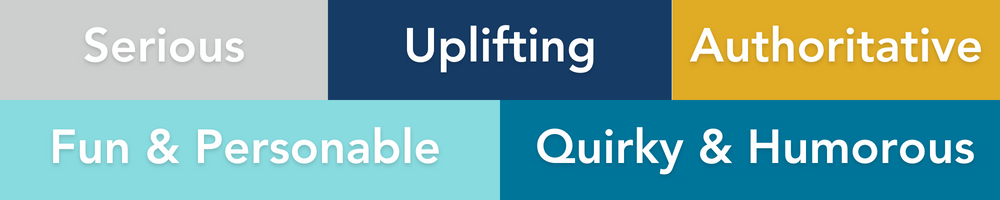
As you begin writing the body of your blog, keep your tone of voice in mind. Your writing tone should match the attitude of your readers and your blog’s subject matter. If your business is known for being quirky and humorous, then a serious blog will bore them and likely cause them to click the dreaded “X”. Here are some tones of voice, which category do you fall under?
Starting can be a daunting task. To save yourself from staring at a blank page, try starting with your body points and coming back to your introduction and conclusion at the end. Writing the content of your body paragraphs first will help you structure the content of your introduction paragraph.
Remember, your introduction paragraph should be captivating. We want the reader to keep reading. If the reader cannot find value in the first paragraph, they will not make it to the end of your blog. Your introduction paragraph should be a follow-up to the title of your blog. Have you ever clicked on a Pinterest recipe only to be met with the writer’s entire family history? Don’t be that guy.
Formatting
Once you’ve entered your blog into your publishing platform, take a look at how it is is formatted. In order to help Google understand what your post is about, use heading tags. The H1 tag should only be used for your blog title. Subheadings should be used with H2 or H3 tags.
Look at the overall layout of your blog. Readers are less likely to read something that is text-only, so be sure to add multimedia content wherever possible to break up the post. This content can be photos, videos, social media posts, or any other graphics.
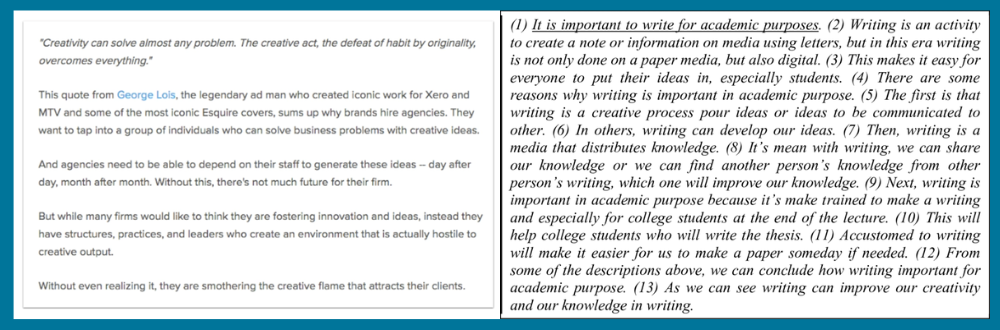
It is also helpful to break up paragraphs into shorter sentences. This adds more white space and makes the blog easier for the reader to digest. Which paragraph are you more likely to read?
Optimization
Make sure to mention your keyword at a normal cadence throughout your blog. Yes, keywords help with SEO, but if you overuse keywords, Google will penalize you. This is called keyword stuffing.
Keyword Stuffing: The practice of inserting a large number of keywords into Web content and meta tags in an attempt to artificially increase a page’s ranking in search results and drive more traffic to the site.
Including links in your blog is a great way to show readers that your blog is credible and it helps search engines figure out what your blog is about. Links are also a great way to get readers to other pages on your website. For example, a contact us page.
Calls To Action
A call to action is a marketing term for a piece of content that is intended to prompt users to perform a specific action. Blogs are a great way to get your reader to take the desired action. Include a passive CTA near the top of your blog through hyperlinked text because most readers won’t make it to the bottom of the blog.
If your reader does make it to the bottom of your blog, reward them with a helpful next step. Graphic CTA’s at the end of your post direct the reader’s attention to what you want them to do. Here is an example of a graphic CTA we created for our cleaning client’s blogs:

Editing and Posting
Before you hit publish, take a moment to edit thoroughly. Here are a few quick proofreading tips:
- Utilize contractions. These help you sound more conversational and less robotic. Compare these examples:
- If you’ve been taught that you shouldn’t use contractions, give them a try – you’ll find they give your post a different tone.
- If you have been taught that you should not use contractions, give them a try – you will find they give your post a different tone.
- Big words actually make you appear less credible and confident – avoid if possible.
- Using “you” and “your” brings the reader into your writing. Imagine you’re talking to a friend.
- Cut the fluff! Adverbs like really, actually, and very are unnecessary. Avoid using jargon and excessive acronyms.
Now that your blog is edited and optimized, you’re ready to publish! Still not sure where to start? Let the HAVEN Mavens™ help! Get in touch with us today on our Contact page.